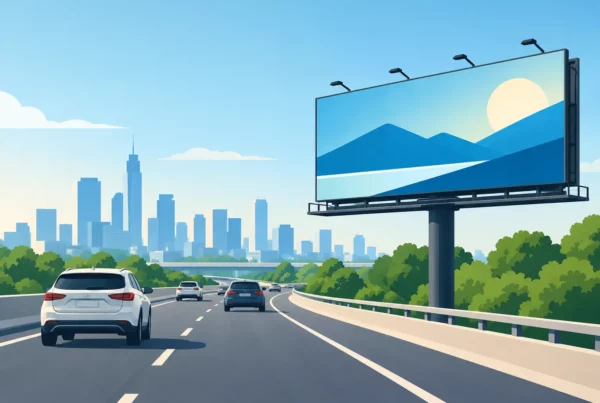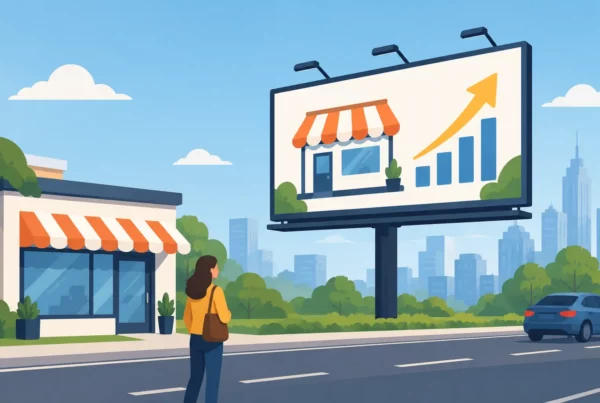
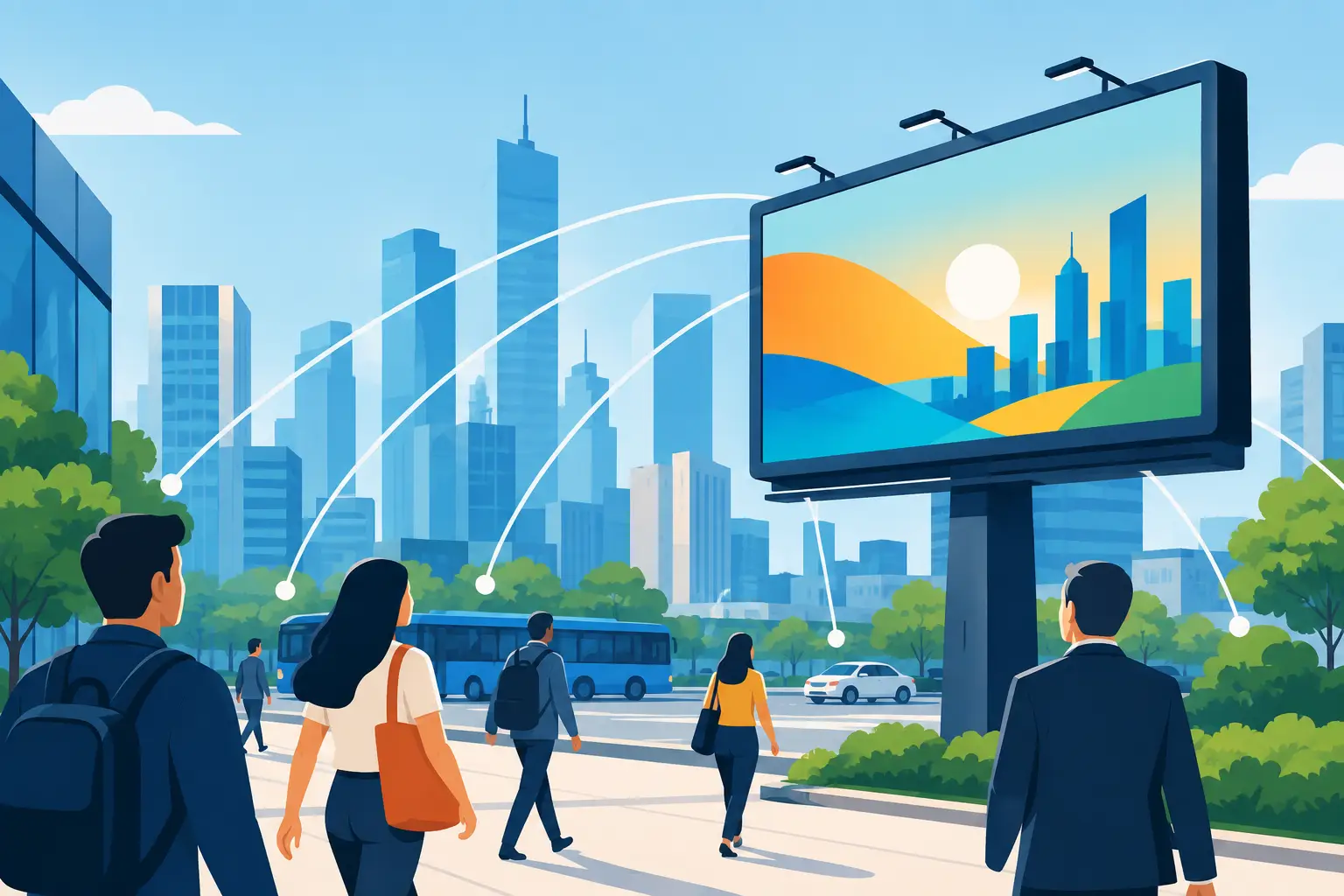

A driver heading toward I-4, a family leaving a Central Florida attraction, and a local resident running errands may have little in common – except the roads they share. Out of home advertising reach gives your business a chance to stay visible across those daily journeys, when people are moving through the markets where they live, work, shop, and make buying decisions.
For brands competing in Orlando, Lakeland, Winter Haven, Ocala, Davenport, and Sebring, reach is not simply a big number on a media plan. It is the ability to put a clear message in front of the right people often enough that your name is familiar when they need what you sell. A strategically placed billboard can create that kind of market presence every day of the campaign.
What Out of Home Advertising Reach Really Measures
Reach refers to the number of different people who have an opportunity to see your advertising during a defined period. In outdoor media, that opportunity comes from traffic flowing past a display. A board near a busy freeway, retail corridor, commuter route, or tourism destination can put your message in view of thousands of people throughout the day.
Reach matters because awareness starts with being seen. But it does not stand alone. A campaign with a large audience but a weak location match may generate plenty of exposure without producing much business value. A home services company, for example, may get more from reaching homeowners along key residential and shopping routes than from broad visibility in a market it does not serve.
The stronger question is not, “How many people can see this billboard?” It is, “How many likely customers can see it in the areas that matter to our business?” That is where media strategy turns an impression estimate into a practical growth tool.
Reach and Frequency Work Together
Reach tells you how many people may see the campaign. Frequency describes how often the same audience is likely to see it. Both are essential to outdoor advertising performance.
One exposure can create a first impression. Repeated exposure builds recognition. When commuters see the same business name, offer, color palette, or phone number on a familiar route week after week, the message becomes easier to remember. That repetition is one reason billboards work especially well for businesses that need to remain top of mind, from healthcare providers and attorneys to restaurants, retailers, real estate teams, and franchise locations.
A short campaign on a high-traffic location can deliver fast awareness. A longer campaign often gives the market more time to absorb the message and act on it. The right balance depends on your sales cycle, geographic footprint, seasonality, and campaign objective.
How to Build Out of Home Advertising Reach Around Your Customers
The best billboard campaigns begin with the audience, then work backward to the roads and displays they are most likely to encounter. This keeps a campaign focused on business results rather than choosing a board solely because it looks impressive from the street.
Start by defining where your customers come from. A Davenport resort-area business may prioritize visitors and tourism traffic. A Winter Haven service provider may focus on residents within a clear service radius. A regional retailer may need visibility across several cities to support multiple locations. Each situation calls for a different coverage plan.
Next, consider when your audience is on the road. Morning and afternoon commuter traffic can be ideal for businesses with everyday consumer demand. Weekend travel routes may be more valuable for entertainment, dining, hospitality, and destination brands. Areas near retail centers, medical facilities, schools, and attractions can also create useful opportunities, depending on who you need to reach.
A single high-performing display can create strong local impact. Multiple displays can extend coverage, increase frequency, and help a brand own a larger share of attention across Central Florida. There is no universal number of billboards that fits every advertiser. The right plan is the one that places your message in the paths of the people most likely to respond.
Choose Locations for Business Intent, Not Just Traffic
Traffic counts are an important starting point, but they are not the entire story. A roadway with heavy volume is valuable only when that traffic aligns with your market. The direction a display faces, its visibility distance, nearby exits, the speed of traffic, and the surrounding businesses all affect how a location performs.
For example, a restaurant may benefit from a display located before the exit customers need to take. A local contractor may want broad coverage near established neighborhoods and major retail destinations. A national brand entering Central Florida may prioritize high-profile freeway visibility to establish immediate market credibility.
Think about the action you want the audience to take after seeing your board. If the goal is a visit today, proximity and directional relevance can matter most. If the goal is broad brand awareness, high-volume commuter routes may be the better investment. If the goal is market expansion, a network of locations can introduce the brand across several communities at once.
Make the Message Easy to Remember
A billboard does not have the time or space to explain everything your business does. It has a job to do quickly: make the audience notice, understand, and remember.
The most effective outdoor creative usually centers on one clear idea. That might be a recognizable brand name, a specific service, a limited-time offer, a memorable tagline, or a simple reason to choose your business. Large type, strong contrast, and a clean visual hierarchy help drivers absorb the message at a glance.
Trying to fit a brochure onto a billboard is a common mistake. Too many words, competing images, tiny contact details, and multiple calls to action can weaken recall. Your audience is moving. Give them a message built for that reality.
Digital billboards can add flexibility when a campaign needs rotating messages, time-sensitive promotions, or creative updates. Static boards offer uninterrupted visibility with one dedicated message. Neither format is automatically better. A static campaign may be ideal for sustained brand ownership at a key location, while a digital campaign can work well when flexibility and message rotation are priorities.
Use Outdoor Reach to Strengthen Other Marketing
Billboards are particularly effective when they support the rest of your marketing rather than operate in isolation. A customer may first see your outdoor message during a commute, then recognize your brand later in a search result, social ad, radio spot, or direct mail piece. That recognition can make every other channel work harder.
This is especially useful in competitive categories where consumers compare several options. If your name is already familiar, your digital ad or website may feel more credible when the customer is ready to research. Outdoor advertising keeps your brand present during the time between active searches.
Keep campaign elements aligned. Use the same core message, visual identity, offer, or campaign phrase across channels whenever possible. Consistency makes each exposure more valuable because the audience does not have to relearn who you are.
Plan for Measurement Before the Campaign Launches
Outdoor media can be evaluated through estimated impressions, traffic data, market coverage, campaign duration, and cost per thousand impressions. Those measures show the scale and efficiency of the media buy. To connect visibility to business outcomes, establish a baseline before your campaign begins.
Watch for changes in branded search activity, website traffic, calls, store visits, quote requests, and sales in the markets you are targeting. If you use a campaign-specific landing page, phone number, offer code, or a simple question at the point of sale such as “How did you hear about us?”, you can gather additional signals about response.
Not every billboard result appears as an immediate click or call. Outdoor advertising often works by increasing familiarity over time. That makes it valuable to look at campaign performance over a meaningful period, especially for higher-consideration purchases such as legal services, home improvement, healthcare, and real estate.
Get More Value From the Right Outdoor Partner
A successful campaign requires more than selecting available inventory. It requires location guidance, thoughtful messaging, production coordination, and dependable execution. Businesses should be able to focus on serving customers while their outdoor campaign is handled with attention to detail.
Orlando Outdoor helps brands develop the right Central Florida billboard strategy, from identifying high-value locations to creating clear, memorable creative and managing production and placement. That full-service approach can make outdoor media more accessible for a local business launching its first campaign and more efficient for agencies and national brands managing a larger market presence.
Your next customer is already traveling through your market. Put a message in their path that is easy to see, easy to remember, and relevant when they are ready to choose.